Pemberton Memorial Operating Room
Services & Categories
About
For anyone interested in Victoria's medical heritage, the Pemberton Memorial Operating Room offers a genuinely unique window into how medicine was practised in British Columbia over a century ago. Located on Bay Street in the North Jubilee neighbourhood, this museum preserves an actual operating theatre that reflects the surgical practices and technological capabilities of the early 20th century. It's the kind of place that appeals equally to history enthusiasts, medical students, and curious locals who want to understand how their city's institutions developed.
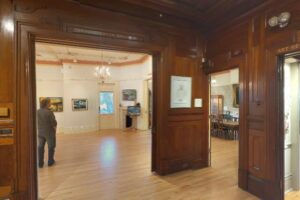
What makes this space remarkable is its authenticity. Rather than a reconstructed environment, you're stepping into a preserved operating room with period-appropriate equipment and furnishings that tell the story of surgical medicine in Victoria's past. The attention to historical detail means you'll get a tangible sense of what it was like to undergo or perform surgery during that era—the instrumentation, the layout, the constraints physicians worked within. It's educational without feeling sterile or overly academic, making it accessible whether you have a medical background or not.
The atmosphere is thoughtful and contemplative. This isn't a flashy museum designed for high-volume tourist traffic; it's a more intimate setting that respects the significance of the space and its role in Victoria's healthcare history. You can move through at your own pace, taking time to examine the details that interest you most. The moderate pricing makes it accessible for casual visitors, school groups, or anyone wanting to round out a day of cultural exploration in the neighbourhood.
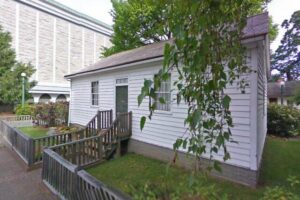
Practically speaking, it's worth checking the website at victoriamedicalsociety.org/pemberton-or before visiting, as hours and access may be arranged through the Victoria Medical Society. This isn't a walk-in destination like a major gallery; it requires a bit of planning, but that's part of its character. The North Jubilee location puts you within reasonable reach of other cultural institutions—the Art Gallery of Greater Victoria, Thunderbird Park, and Saint Ann's Schoolhouse are all nearby, so you could structure a meaningful cultural afternoon in the area.
What distinguishes this museum within Victoria's cultural landscape is its specificity. Rather than attempting to cover everything, it focuses deeply on one important historical moment and setting. It sits alongside the neighbourhood's other museums as a testament to Victoria's commitment to preserving its institutional and social history. If you're the type of visitor who appreciates understanding how communities actually functioned—what healthcare looked like, how medicine advanced, what mattered to people in the past—this is worth your time. It's a quiet, substantive addition to Victoria's museums that rewards a bit of curiosity and historical interest.